


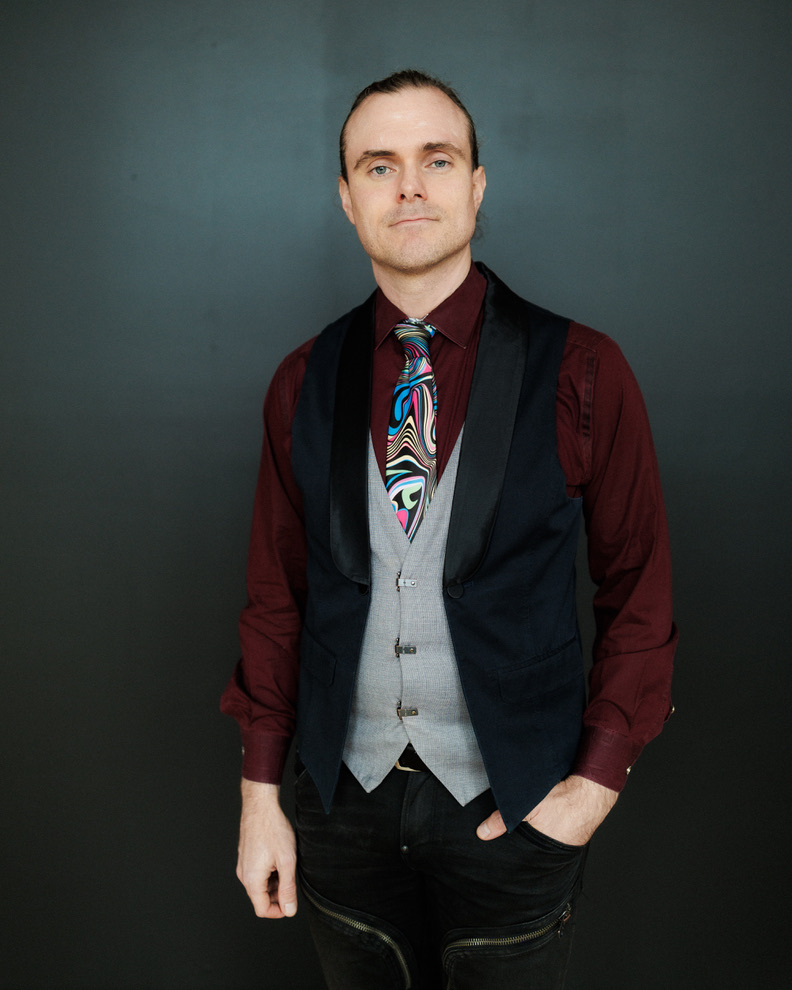
Andrew McManus, composer
Andrew McManus’ (b. 1985) orchestral work Strobe, premiered in 2014 by the New York Philharmonic, was called “riveting” and “breathless…surging…hazy…sometimes all at once” by the New York Times.
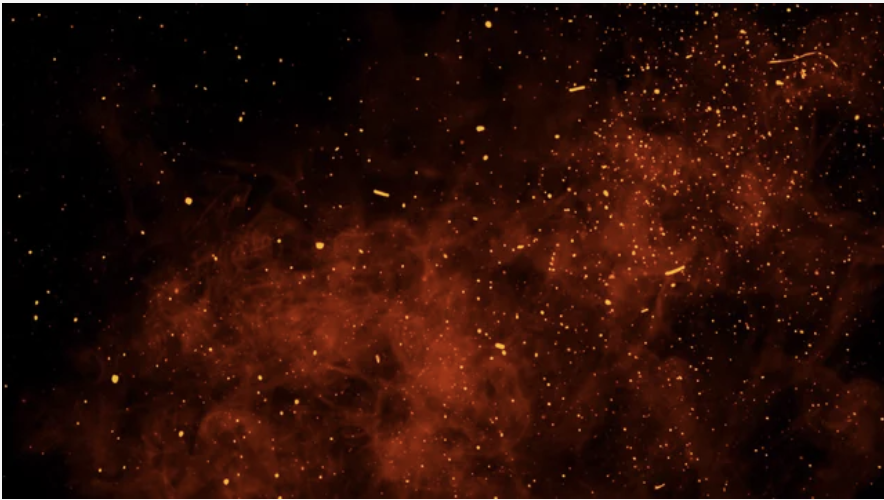
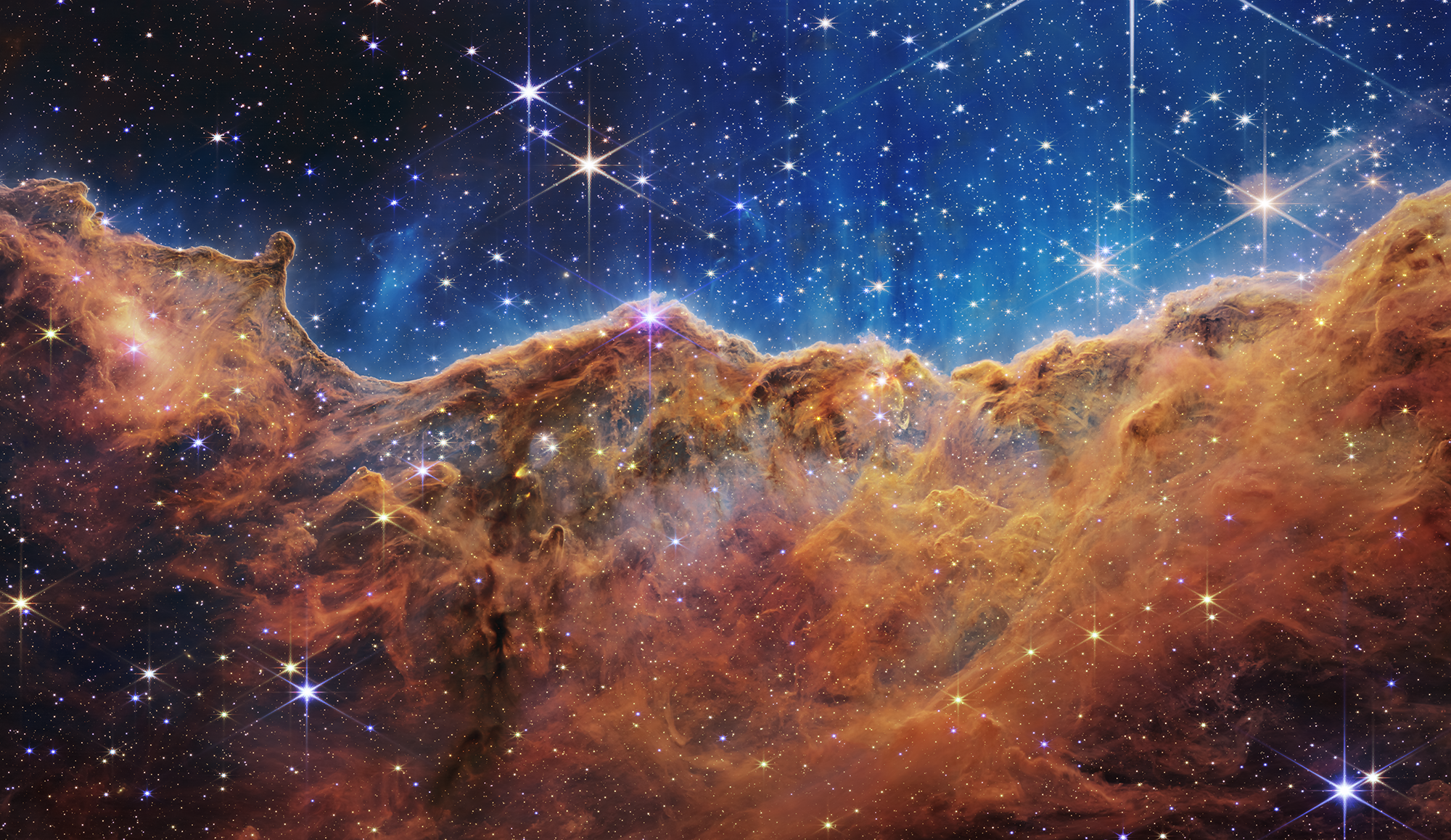
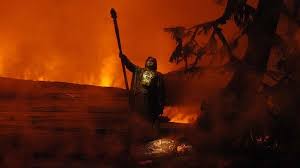
Embers, fused to ash (2015), for Alarm Will Sound, amalgamates Richard Wagner’s “Magic Fire Music” from Die Walküre with other fire-based imagery. In 2024 the Flannau Duo premiered protostellar, for piano, percussion and electronics, that illuminates data the James Webb Space Telescope gathered from the Carina Nebula.



His 2021 work Quiet Down for 4 players and electronics draws on a recording of LGBTQ activist Silvia Rivera’s iconic 1973 speech. Whatchya Got [Sweet Water prints] (2021) for the Chicago Composers Orchestra, works with the “freedom, sentience, joy and mourning” assembled in a “lockdown print” by artist Michelle Nordmeyer, and one idea of heaven (2023), also for CCO, tries to create a joyous inward retreat from incompatible times and places.




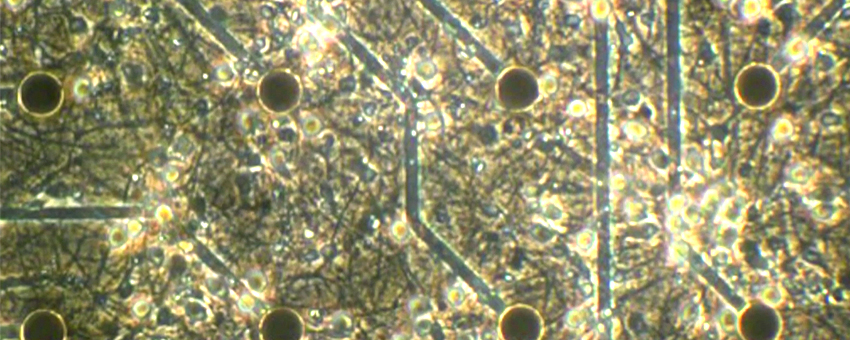
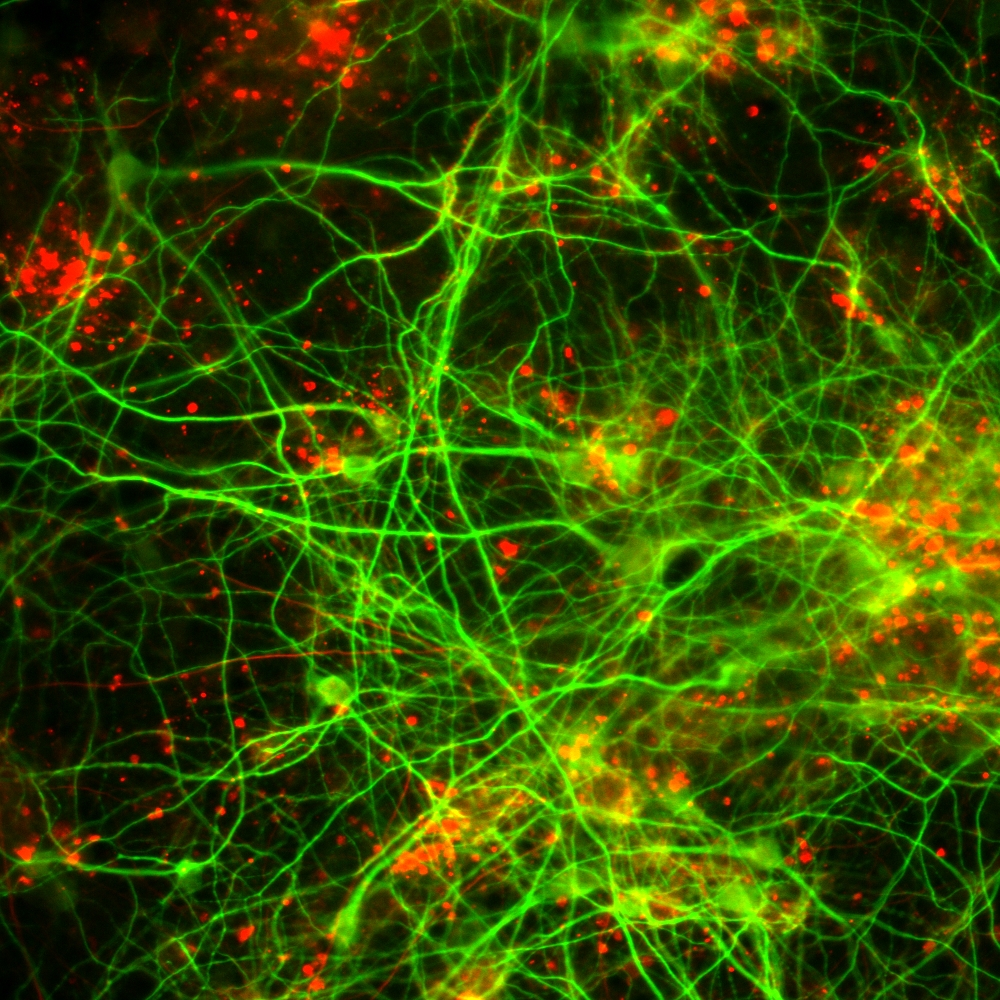
In 2014 he began Neurosonics, a multi-work collaboration with University of Chicago neuroscientist, which creates electronic soundscapes using data from experiments used in the study of epilepsy. The project was supported by residency awards at the Aaron Copland House (2018) and the Brush Creek Foundation for the Arts (2018). New Music USA funded the project’s second work, pathways, bursting [neurosonics 2] for string quartet and electronics, which places the Spektral Quartet amidst a sea of alternately violent and tender spatialized sounds. Pathways was the winner of the 2020 Charlotte New Music & Beo String Quartet Competition.
Other organizations that have featured his work include Latitude 49, NYCEMF, eighth blackbird, Fort Worth Opera, Aspen Music Festival, SPLICE Institute, New York Youth Symphony Chamber Music, Bowdoin International Music Festival, and the Minnesota Orchestra.
His works are published by American Composers Alliance. In 2020 he was Limited Term Assistant Professor of Composition at the University of Georgia Hugh Hodgson School of Music. He holds degrees from the University of Chicago, the Eastman School of Music, and Yale University. He is based in Chicago.



works: explore
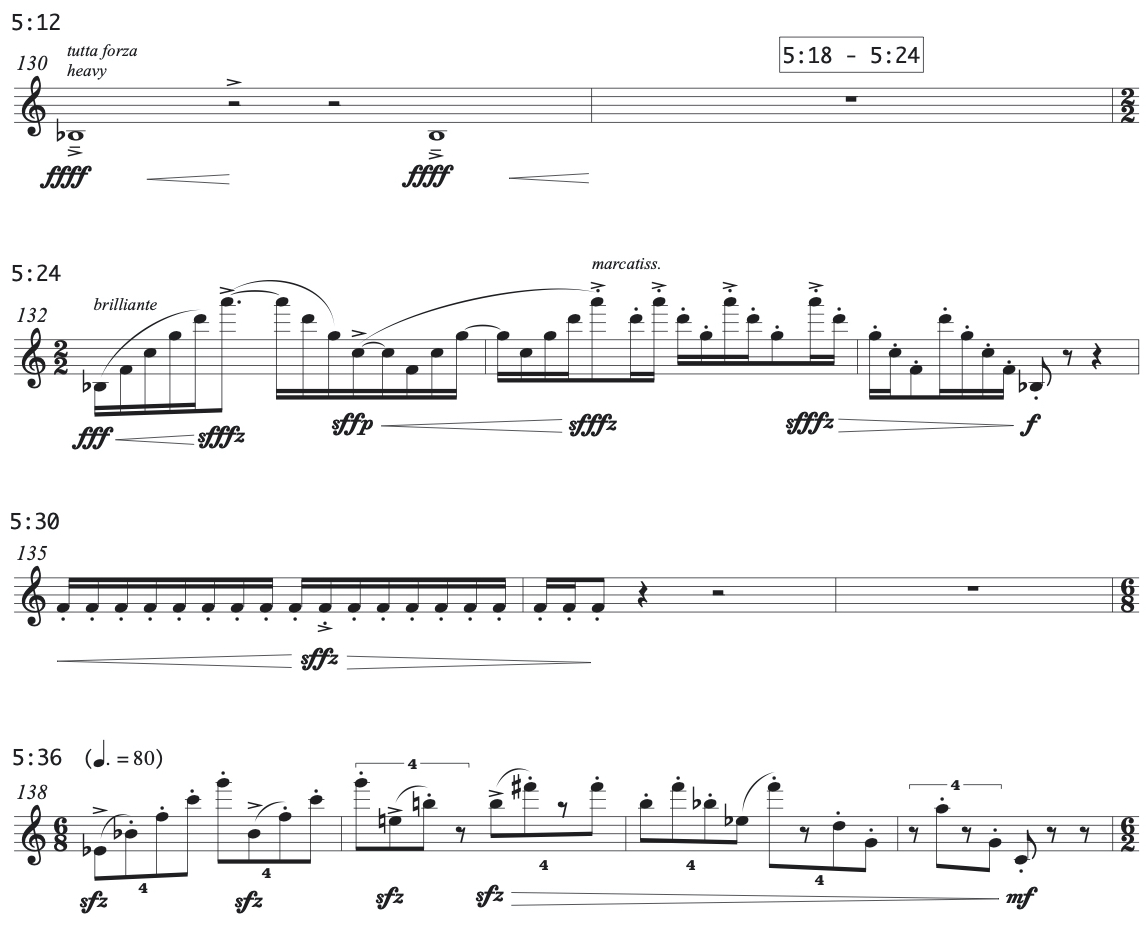
atlas fractures (2016)
for wind ensemble 9′
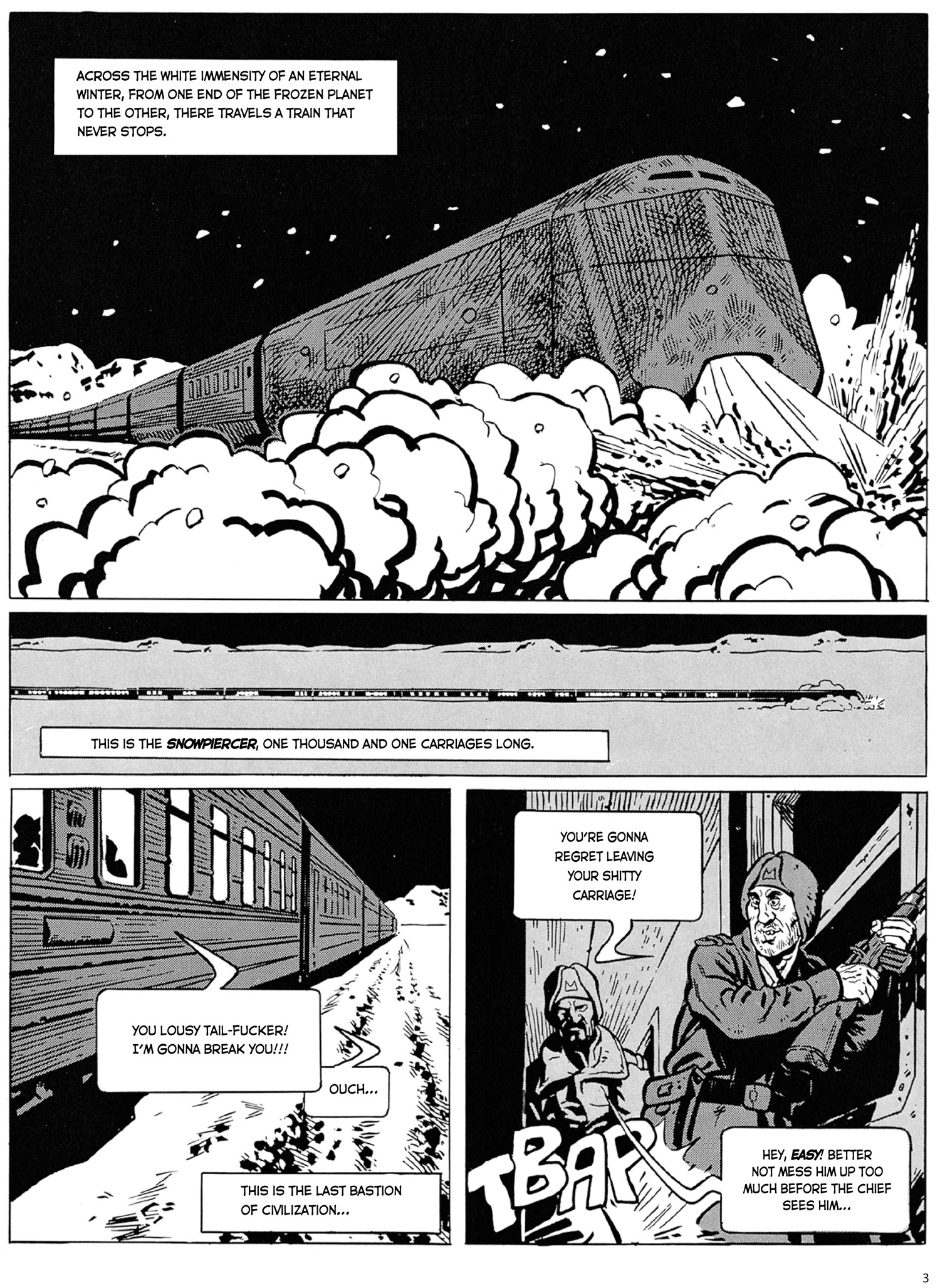
In the 2013 post-apocalyptic film Snowpiercer – based on Le Transperceneige, a French graphic novel from 1982 – a train barrels nonstop around the world, carrying the remnants of humanity through a world rendered uninhabitable by a human-caused ice age. These last people maintain order with a brutal totalitarian social structure, and both film and graphic novel follow one man as he leads a revolution against it.
1. The Fifth Concerto
2. imagining the Englne, from 1001 cars away
3. The Proloff Revolution
embers, fused to ash (2015)
for large ensemble 10′
Performed by Alarm Will Sound
Live at the Mizzou International Composers Festival, July 25, 2015


whatchya got [Sweet Water prints] (2021)
for orchestra 5′
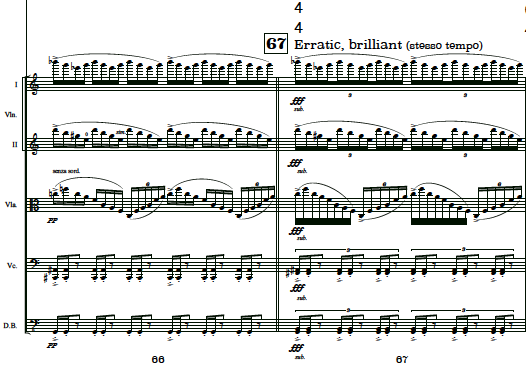
Artist Michelle Nordmeyer made “Work with Whatchya Got” in pandemic lockdown, using found-objects to express the idea of “limitation.” I’ve taken Michelle’s work and used the timbres of the orchestra to echo the beautifully tactile quality of the layered visual objects: a slowly blossoming, misshapen chorale for muted violins; incisive, broken-sounding percussion; muted and out-of-tune brass. For the Chicago Composers Orchestra.

one idea of heaven (2023)
for orchestra 15′


If you’re wondering what electroclash artist Casey Spooner could possibly have to do with Gustav Mahler’s Symphony No. 4 and his song cycle Des Knaben Wunderhorn, then compare some of the text of “Das Himmlische Leben”, one of the Wunderhorn songs:
“We revel in heavenly pleasures,
So we shun all that is earthly,
No worldly turmoil
Is heard in Heaven,
Everyone lives in sweetest peace;
We lead an angelic existence,
And yet we are perfectly happy,
We dance and leap,
We skip and sing,
Saint Peter in Heaven looks on…” (trans. Richard Stokes)
…to some of “Butterscotch Goddam”, a 2018 song by Fischerspooner (Casey Spooner’s old band):
“I jump off the mountain, I hang off the cliff
Listen to you shower sing love scene shift
Light it up with your weedy spliff
Lovers tiff, dance around, plead the fifth
Kiss me…”
“I brought you sake and plums from Kyoto
Gift shop stickers from the Bishōnen show…
And that is just one idea of heaven…”
quiet down (2021)
for flute, saxophone, bass clarinet, piano, electronics 12′
quiet down draws on a recording of LGBTQ activist Silvia Rivera’s iconic speech at a New York rally in 1973.
protostellar (2024)
for piano and percussion 15′
In July 2022, NASA released the first major observation from the James Webb Space Telescope. It’s a gorgeously enhanced look at the Cosmic Cliffs, a star-forming region of the Carina Nebula – visible in the southern hemisphere, some 7,600 light years away – that’s made possible by the Webb telescope’s ability to observe in the Near Infrared light spectrum. On its website, NASA describes what you’re seeing in the image as “protostellar jets and outflows, which appear in gold, shoot from dust-enshrouded, nascent stars,” including the faint “steam” rising from the cosmic cliffs that was previously unobserved. I took an extremely small amount of the spectral data that NASA has made available and turned it into portions of this piece: noise patterns and synthesized harmonic content in the electronic part, as well as some gesture and phrase patterns in the acoustic parts.
impulse response [neurosonics 4] (2019)
for tenor saxophone, electronics 8′
Written for Justin Massey and the 2019 SPLICE Institute.

auras (2018)
for clarinet, saxophone (sop/bar) violin, cello, piano, percussion 8′
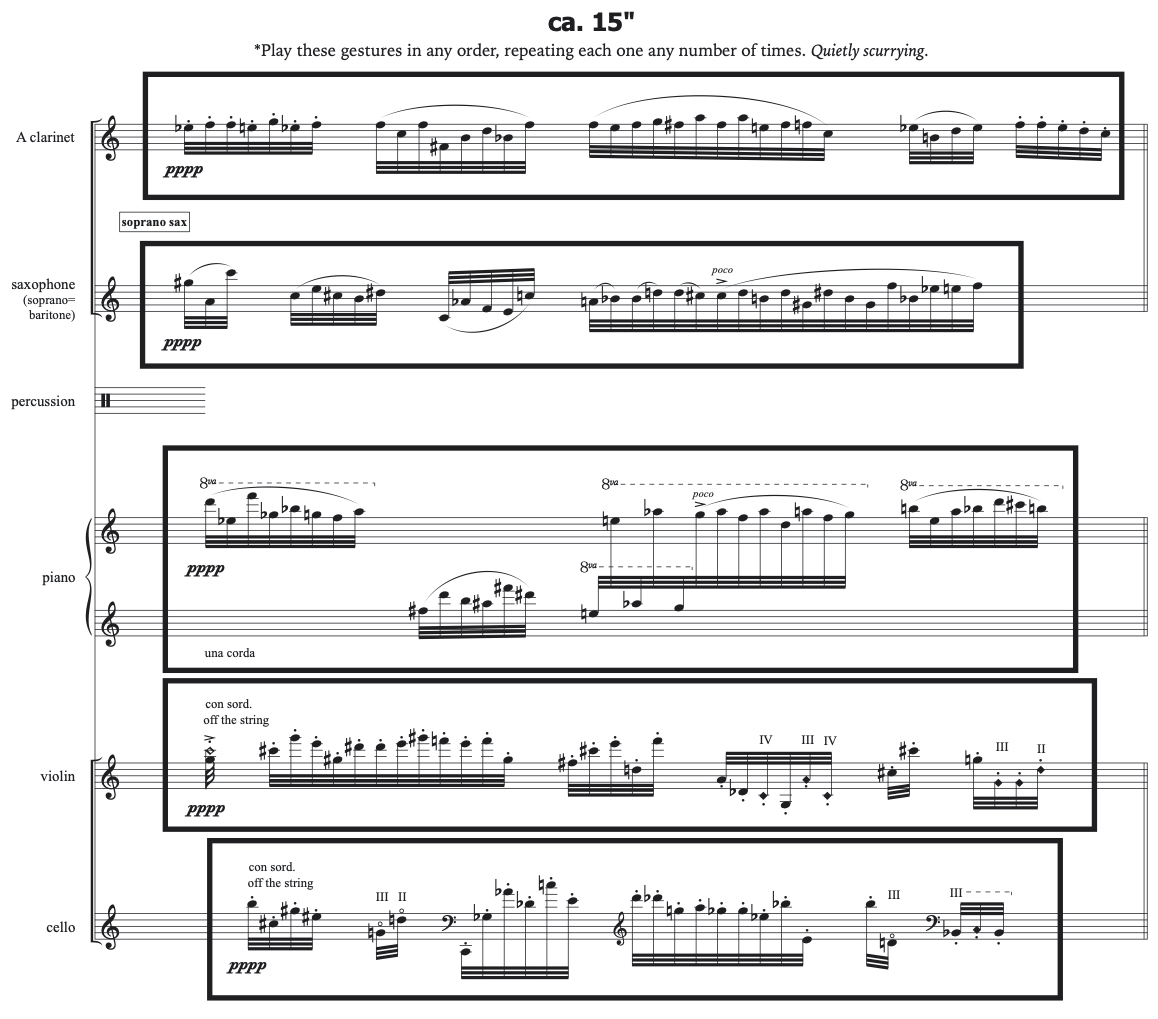
“In the case of auras (neurosonics 3a), McManus has focussed his efforts on the instrumentation of Latitude 49 as this work is a collage that explores the extremes of the ensemble’s sound palette in a variety of compositional techniques. McManus incorporates the use of aleatory, nested polyrhythms, microtonal tuning, and elements of just-intonation, in a listening experience that is at times whimsical and sweeping, aggressive and violent, and hauntingly whispered in the more delicate passages.”
pathways, bursting [neurosonics 2] (2017)
for string quartet, electronics 21′
All of the electronic sounds in pathways, bursting bear some relationship – straightforward or complex – to the neuron data. The pulses of white noise, for instance, come from directly translating the data into sound, while fluttering sine tones come from using it to manipulate pitch. I’ve assembled these diverse sounds into textures that often become harrowingly dense, even when the electronics are not particularly loud. This certainly is part of my intention: after all, this project is about overloads of electrical activity in the brain…But in this final passage, there’s a slightly brightened consonance that bolsters the quartet’s role as a relieving counterweight to the harrowing electronics…
American Composers Alliance
- works published by American Concert Editions (ASCAP)


more coming soon!
- …including a newsletter about what I’ve got going on.
